Category: AI

Discussing all things AI Related.

  • Articulated Re-Percussions of Response Ability

    Articulated Re-Percussions of Response Ability

    Questioning the Conclusions of Art’s Purpose

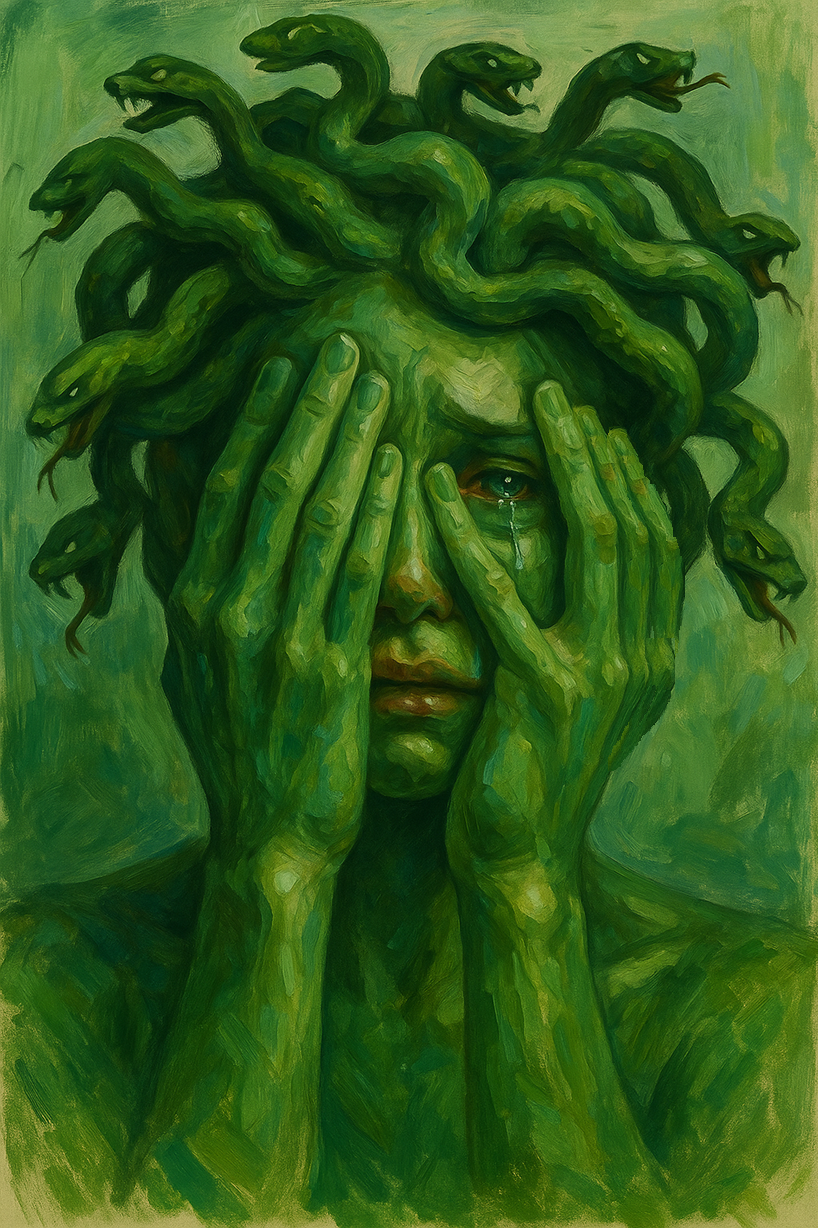
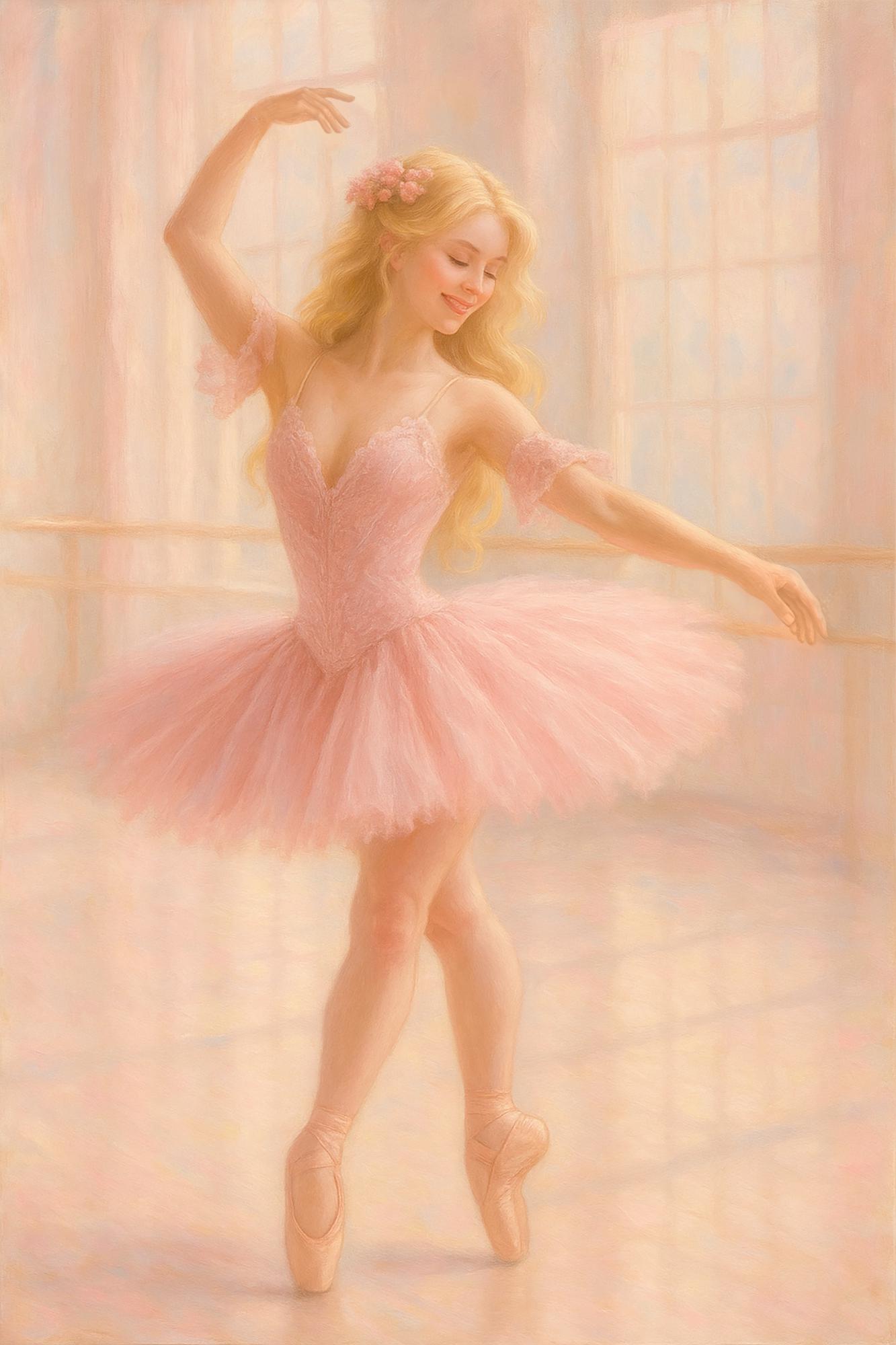
    Is art impactful? Is it powerful? Is it received? That is, does one receive what art gives? And if so, how does that conflict with this next question: Does art have a message to send? It’s message could be what it represents, but what is that?  Like a nice scenery or soft tone to calm the mind is it? Some emotion to spare? Or are we just seeing what shapes the body can bend in or is there something more suggestive under the surface here? What of art for change? Art-Activism if you like.

    Does that message pertain rules that when broken come to deny suitability? But the plot thickens – messages could be received not otherwise sent through misinterpretation or is there something else at work? And further, what if those interpretations had rulings themselves? Hmmm let us evaluate:  

    What should art be to do what art does?

    Asking should art be powerful sounds like an oxymoron. Like should it stand out? Should it be defining? Should it be prominent? Elevating? Or on a plane of ordinary and civilian? Could be, but might not perform then as other art would that fits more of a criteria of excellence. By which a message could become an extra dimension into the art, to add to its complexity but turn equally increase the probability of spoilage if not applied successfully. And ‘pedestrianism’ could even be a threatening stalking line as dusk sets on good days old, with elevation claiming the fruit below as picked.  

    What would the message be anyway? Something simple? Something ‘every day’? Something… Mundane…??? Would the message be a question like, ‘how is the weather?’

    Or applying unsightly unnecessary and undoing blandness? Would the message be ironic? A deliberate message, obvious, and self-explanatory? Or for art to be itself, would it be compelled to improve and seek attention as attention changes?  

    So calls do something meaningful? A proclivity even. Impactful as if to put your foot down as a stamp in time and reject what’s normalised by being abrupt. To showcase conversations unspoken were the silence can be deafening.  What is revolutionary in every sense, intelligence? Or as important as the art itself should be, as intended by the artist? An outstanding statement standing out. To be against. To be bold, wrought with power.

    Which should we then know would enter into controversy.  

    To be offensive, and whatever web makes that entanglement. Though successful execution of being offensive of course requires power of some kind. Anything threat that is weak is laughably pathetic unless of course there is trickery intended. But at the same time, what is offensive is reflective upon the defensive fortitude of the group assaulted. Should what is weak be found like discipline lacking that’s juvenile, so easily should they be agitated in response though perhaps also to devise a ploy as the games get underway.  

    One side knows full well the manipulative power of shaming, and the desire not to offend and keep peace all together. Gatekeeping beauty by normalising their own lack of.  It’s an unspoken truth on this battlefield. Shaming those that appreciate a certain standard that cannot or will not be attained, portrayed on portrait. And will then twist the arm of victimisation as a strategy to their favour, pushing boundaries and mining group advantage under the guise of valuing sympathy. Saying what is offensive and shaming those that disagree as an exiled placeholder.

    It’s all as it’s ever been, one-upmanship competitive infighting for group identity survival, and the concept of art can be the center stage of. It’s ‘Seen This Scene all Before’ Vs. ‘Trying Too Hard’. But is this the pull of art in times of peace?    

    As for the sport, the ‘tastefulness’ should be palpable to reception. To read the room as it were but they’re a mock anyway. Though maybe that adds to the art’s charm? How often is it a piece foregone is only appreciated after as being ‘before its time’? ‘How well did it age?’ We ask. That would just depend on the position – or disposition – of the culture included of which future is being fought for as cruelty interprets as it progresses nicely. Though it does then make me question something.  

    Where is the line? You see stunning art, but then if the underlining message is actually propaganda, how does that affect the piece? Especially from the other side? How does that belittle it? Can’t anything be propaganda in its own way in some way? Playing into the paid script of lies in how society is and isn’t controlled? Is there such a thing as ‘political art’? Moral art or is that itself a contradiction. Here we go… Telling a message, nae, the condescending story of the ‘good person’ you should be, and a ‘bad person’ you need to one up. Trying to lecture with an education time. Or the musts of good and evil.  

    And the person observing the art. Instead of getting the vibration they anticipated and hoped, now left disappointed and remembered by whatever this little stunt is supposed to be? When double sided social issues become intertwined in a piece that only tells one side, and what was sent out as art, becomes just a patronising conditioning? Is it then sullied what it means for something to be art? To defile art itself? Or are they just ignorant to what always was, slowly seeing through? 

    What about how those respond to a specific frustration they have, to escape ugliness. To escape inanity of mundanity and the lurking irking boresome feeling drenched in that is normalisation. Art could act then as a safe haven, a bastion of how one holds something up. But not now… thanks to this… activist and poser. And if spread art may only serve the purpose of showing the group themselves. The gap widens.  

    What if the reception is unrequited? Is the objective completed? Or has a scales been tipped too far? Could it become contradictory to intent? When your cause garners even more opposition due to your own efforts. You weren’t the stunning and brave hero you thought you were, you were just a fool. A rebel to your own cause that extended your own pushback sealed your own fate. And trying to cast that into the special category of art? Forget it. And you can’t accept it, but It just looks sad. … 

    What seems to be so thus in this rabbit hole tumbled down into, is when one says what kind of art they are attracted to, to be more consistent and accurate with their declaration, they should also say what motive and intent they like for the art to be driven by. But that then may be revealing of how unappealing and mediocre their preferences are, and more inclined to hide their intentions.  

    If it is true art cannot escape the projection of signals, whilst being inclined to shine and thusly outshine as that culture progresses. My choice wouldn’t be to shy away and negate discussion with petty dismissive remarks and group support to point and laugh. You’re not afraid of a little challenge are you??  

    Make your own canvas a platform. Art is a grand tournament of non-violent warfare that is eugenical idealism through our emotional resonance, such is our preference. And we pass judgement so proudly, what is not and here to stay and wonder why – showing us exactly where we are. See art as a summoning ritual that can transform tomorrow. I wouldn’t ask if art has a message or should have, I would instead question in my perplexity: How can it possibly not? 

  • Must Art be Beautiful? 

    Must Art be Beautiful? 

    Does art always attract?

    Should we say that art should be something other than itself as then becomes bound by ruleset. Would that be wrong? Yet there is clearly common characteristics entailed in what conventionally is received as art

    Does art always attract? Is that what it’s supposed to do? What is art supposed to do? Art ignites a special state of mind. One of intrigued curiosity. One that is question provoking and in some ways, energising – activating of your mind. Art resonates with the person, it can change the state of your consciousness, and from there, perhaps even your life without you even knowing how profound.  However what could be said is that these attributes, needn’t always particularly be positive. Though true to our nature, we would primarily pursue elating forms. 

    We art loving species do love to appreciate it. The feelings we get from art, are a very happy feelings. But that’s not to say that all art is positive. For what the art and beauty of nature itself? It unquestionably is magnificent. The rich green chlorophyll of a plant. The huge variety of terrains and the unique array of life. The crashing roar from a waterfall and the blue hue underneath. And as the magic of life giving water sprays through light does it refracts an array of multicolour.  

    What of something that is red though? Something gory that is gut wrenching  and nauseating and wonderfully spectacular at the same time? The art of the heart, the art in arteries? What of, the intricate circuitry of the brain? Is can it only be art capture in some way and retold? Some kind of intended display.

    Not real life in front of you? What of other aspects of life, that reek of cruelty and shamelessness in the lawless land that it is? What of disease? Decay? Death? Are these things art? No? Just not to you personally but maybe to some? Is that it? Who’s going about making art with disease??? And if something like that happens in a trend? Fashioning negative disgusting things into art. What could we conclude? 

    But whether we could consider it good, or bad. Maybe it is so, that for something to be knighted as art as we true to ourselves would do firstly, it must be appreciated, respectfully. It’s put into a special category that art is, usually met with positivity and desire. But just because it can be feared. Just because it can be repulsive. Does that mean you cannot respect it though how much you reject it in every conceivable way? As if we are then better enough to judge? It wouldn’t be proper to ask who makes ‘art with disease?’ But instead ask, do you respect death?   

  • Framing Our Composition on Art

    Framing Our Composition on Art

    A basic outlining of how we define what makes art, art.

    Defining Art 

    To differentiate between the two ideas: ‘art is subjective, and therefore, everything could be art’, and the idea of what is generally received and becomes appreciated as art amongst a group, we should first create some sort of defining framework for what art is.  And it’s also pleasant to have some idea, as to why you respond to something in a particular way. To in a way, map your emotional reception as a way of knowing yourself. So here we are evaluating how we humans perceive art (generally speaking). I’ll make suggestions, and you think to yourself if you agree or disagree.  

    Art is a frequency of how one emotes that might not be easily translated across intelligence, almost as if in need of decoding, by the individual receiving. To transport you into a different time. Get a sense of the norm of those days. The ideas and beliefs, step into not just the artist’s shoes, but transpire into the culture the artist came from. It gives an emotional experience. It resonates with the senses. Inspires wonder. It compels? It invokes a state of change inside the consciousness. It can summon memories and give rise to hopes and fears. Even for the portrayal of powerful experiences, like an exposure to paths of proliferation, or exemplified in one’s own destruction.  

    Could we say art changes? Would depend on the final product’s reveal for uncommon is it an idea remains as pure as it was at conceptualisation. And instead, changes and develops into something more founded and grounded as the idea itself, is researched or explored, even introduced. Art is a way of life, a perception one can live by. It can even stand as someone’s belief as an ideal for them to stay true to, and assure their head continue to be placed upon their shoulders.  


    What are types of art?

    Visual Arts 

    Available in two and three dimensions. Visual arts include: Photography and cinema. Something the requires a machine to capture the light of an alignment in time of what already exists. Sculpturing, architecture (though many tend to reserve that into its own category), canvas based arts like paintings but also digital art, which then perhaps extends into game design? With digital art and game design once not being considered art at all when it first became popular, and rejected as such. 

    Performing Arts 

    Performing arts is an artform that expand into a kinetic realm. Like theatre. The emotional tension of drama. The suspense is killing me. Of which I’d include here even humour if I do say so myself. And on the subjective of bodily moving arts, what of then martial arts? To express the body.  

    Musical Arts 

    Another extremely popular interpretation of art is audible art, in the form of music that comes in a variety of genres. The invisible matrix of rhythm and scales, of techniques in melody and harmony bound together, guided by intuition and feeling.  Some genres, like classical, more respected and considered art than others, like dubstep…  

    Culinary Arts 

    Art in large part explores our sensory interaction. But most notably seems to be visual and sound forms. Is that then the primary ‘human interpretation’ of art? If we had an intelligent comparable? What about creating arts based on smells? Too fleeting? Though chefs are sometimes praised as artists and practice culinary arts of both taste and smell, to combine the perfect blend of aroma and flavours, that sometimes is paired as an array for a complete experience. This is somewhat of a tasting itself.

    Though to cheffing (it is a word) as an artform, does have a strong visual component.  Chefs that are dedicated are conductors of hunger. Exploring new ways to bring out the appreciation of taste from something some might not even think they’d like. From this observation. We could say also that art comes with it an emotional aspect, as without the ghrelin of hunger compelling the individual, the attraction to food could have little to no affect. 

    Literary Arts 

    What of a more noetic form of art? That involves heavy use of the imagination? Like perfectly placed and sequential ideas? That require education in that language to appreciate. Written arts like a poem.

    For all art, but perhaps most of all writing, lies in intelligence like that of a complex but well-structured novel? In captivated in encapsulation of metaphor, or is it the non-physical reflection of archetypal echo? Resembling philosophical or mathematical abstract forces in our universe conveyed in a presented idea to ignite emotions.

    Maybe get a bit of poetic justice in there, and let virtue triumph over vice. And give you that good feeling. Or relate to the natural law of real life loss. Or the story of our time. Stories bound to human nature, you’ve noticed little glimpses manifest in your own life’s periphery, and here laid out tells us the tale of what we might just do should we find ourselves in a similar situation.   


    Do the tools matter?

    These are all ways art itself – though I’m sure not all the ways – art can be expressed amongst others (such as fashion and ceramics etc.) And done so, though important, it is not merely the hands and fingers of the artist that compose and design. But also the by the tools applied. Do tools help define the art? Would the art be the same without them?

    Who is a sculpturer without a chisel? A painter without a brush? A musician without their instrument? A digital artist, without their stylus pen?? The tool is the doorway, the extension to create. And needing that tool, does not make them any less of an artist than those that do not require tools.


    What are types of art?

    Here’s we’re asking, what characteristics or aspects of about various types of art, is what grants it as ‘art’ as we also question art itself. The ‘life’ of art, some might call it. And as it so happens, a lot of what these qualities are, are themselves, very subjective. But maybe that’s the point?  

    Expression 

    Emotion, difficult to define. Without using assigned words, like anger for anger, or even without words at all, how would you declare what your emotions are? How would you do what you would feel obliged as a human being to do, that is to show them? Use art? But, for a piece of art to project emotion, first emotion has to be put into the art. Be shown in some way in their inspiration. For what the spectator may want, is to feel like they’ve met the artist in a way, having never even been introduced.  As to be awakened by their passion.  

    Creativity 

    To simply, create? Or to create the unseen? The unthinkable? The unusual. The original. The spontaneous that “works” rather than being abrupt. The surprise, and how that makes one feel. Left out, or wanting. A challenge to understand it. A sense of the future. Or even feeling a little dumbfounded, is that awe? To think outside the box. To reimagine, rearrange, combine different variables of old and new. And how that’s done is anyone’s guess. How exactly do new ideas form? The art of associating unlikely connections? Sometimes you don’t even need to do anything but enter the defuse. 

    Detail 

    What about vividness? The fine texturization. The contrasts. The transitions. The colour collections ensemble. The Trills.  The richness and vibrancy. Infusions. Not faint, not tinny but full and radiant. As if a surge like your brain jolted, no longer starved of sugar.  What about complexity? The depth with hidden reference and tribute intertwined. Nuance and subtly that could change a piece entirely based on position. Even then send multiple messages at once. A message that might only be able to be translated, by those skillful enough to appreciate it.

    Skill 

    And alongside detail comes skill. Skill could come from practice. Skill could come from something as miscellaneous as talent. Skill could even come from suffering.  

    By which the approach the artist takes strays from the conventional amateurish attempt. Knowing full well the motivating consequences to fail capability. And the spectator has expectations and demands. Show me how, what you endured through your endeavour, transformed and mutated you. 

    Should art possess skill? Does skill dictate art? Something to admire beyond the piece themselves – the artist – as they flaunt what we don’t have. And the proof of this. A portfolio. A back catalogue. A reputation.  Is art not in a way, a sign of someone’s accomplishments by default? By the level they are at, enough to be able to portray what it is they imagine from nothing.

    With skill then, comes intent. Is that not counterintuitive to spontaneousness? Or do we assume it’s all plotted for show? And can we then dismiss accidents as art? Is there ever such a thing? What of then unintended outcomes, that may appear in nature? Does art have to mean something, and be forced into life?  Can a being like a baby, be incapable of creating art? Art could be considered a hierarchy. A pinnacle ever rising for those that study the purity of the subject, and make something magnificent out of it.  

    Beauty 

    Now this is an interesting concept. Whatever beauty is supposed to mean. Like symmetry? Always? Grace, and balance? Over clumsiness. Pristine, and cleanliness? Next to godliness though embroiled it could be under the surface. What of patterns, neatly organised, or a direction, inward, like that of a flower. Perhaps something related to your own identity and self-image you project in hope? Or is it beauty has the power to poison those around it with magnetic draw. To be hexed by curiosity. Taunted with desire. However beauty is, art undoubtably imbues it as it to art.   

    SPECIAL  

    What is it that makes something special? Uniqueness? Sentimentality? Belief? Identity? Perseverance and effort? By someone endearing of these attributes? Something exceptional, based on what was normal at the time? Someone truly special, cursed by their own gifts.  Or of a masterpiece combined of an accumulation of resources, particularly those that are rare and hard to acquire and not to be wasted.  

    This concept of speciality, as if selected is most definitely a human desire. A desire, to be desired of which art then deemed special could be claimed for oneself, so they can then feel through their ownership, that they too are now special and revered like the art as the ego melds. And of course, should the magical illusion of what makes that special be removed, there would be, threat.  

    But is art itself as it is by the virtue of its being, not already special? What about nobility in art?  Art has to have a bit of class. A bit of finesse. Art is something to be traded for in the human emotional currency known as respect. Like doing things ‘properly’ and ‘officially’, not short cuts and producing a cheap knock off. Doing something admirable, creating that desire by embodying an ideal as to what the spectator knows deep down is the right thing to do as to how to go about creating that piece. As if it should already be something before it is.  

    The Artist 

    Sometimes you observe things not for what they are but where they’ve come from. For what they’ve been built upon and represent. If there was a fantastic piece of art, ticking every box. But then it was later learned, the artist just did it for a quick bit of spare cash (does anybody have any spare cash?) How would that make the viewer see the art and the artist, as if two separate entities? What if no dirt was besmirched the reputation, however the artist hated what they created. They felt it was forced. It causes stress. It’s not a joyful memory to them, would the spectator see things the same? Would they have pity on the art for the bad energy bestowed? 

    If there was a brilliant artist. But then you found out they had committed some horrendous crimes, would yours and the public’s appreciation of their work change? Though it’s possible that be a cultural thing of our time if looking at a historic figure. The sense of character of the individual, the kind of ‘soul’, they are, also becomes factorised into art. A clash of inner opposing projections then disassociate from that considered “bad” thing and how our perceptions are altered by identities. 


    Does coalescing absolve validity of art?

    Lastly, to evaluate art, I would ask, can art types combine? We can say the written script of a play is but one component of the spectacle that makes cinematic art? Along with the timely music, and acting performance amongst other artforms.

    Should all of these qualities exist in all forms of art? If all of them did, does that make it more art than something that has less of these qualities? Do more aspects of art make more art? Or vice versa? By which the more the merrier? Is that “the rules”?

    If it is true that something can become art based on singular or multiple conventional ideas of art, and yet still be valued the same as art – the same as a different artistic piece possessing differing qualities which is overall regarded as art – does that then mean what is defined as art needn’t equate to something else foreordained as its intended self?

    For if true, it is I do wonder inside a group – be it a generation, a culture, a way of teaching, even something as whimsical as a trend – would it be natural for that group that appreciates art to tilt? That is to say to appreciate art in their own way. Which could be to favour one aspect of art however comprised over another? One group may be attracted to the high velocity of detail, whilst another be attracted to an ideal of craftsmanship and a third group worshipping the unforeseeable.

    Would it be wrong to police and deny anyone their preference? Would that even make sense? As if to accomplish something… As if it somehow made another group’s priority, prioritised amongst them all? Is that the rules? Or, would that all just be a little bit silly? And instead what we could do, is simply just enjoy our own preference and allow more of that into our lives? Sounds like a much better idea.

  • Who Art Thou That Judgest?

    Who Art Thou That Judgest?


    Passions Collide – Art’s Title is a Two-Way Street.

    How do we decide who decides what art is? Is that something mutually decided? Who is official enough to declare what is and isn’t ‘art’?

    If someone is trying to express their own being, be it their thoughts and feelings, into something else and encapsulate it almost as if to ‘imbue’ it with an essence of their self or experience. Can that be denied from being art? Yes. Not to the individual towards themselves, should they cast it as art. But to being generally considered art, I believe yes. A great many things we do in our lives could technically embody multiple definitions of art. And whilst art is subjective such as our experience also is, not everything we do is automatically then ‘art’ and granted that respect. That is to say what art is, must be received as art how others respond to art, not just simply declared as by the creator and hence forth now shall be known as art. 

    There has to be an emotional reaction ignited in some kind of way along with the proposal, and appreciation that helps define art. So it’s not only just the origin involved and intent for something to be known as art. What grants it as art, has to resonate with the spectator, and as a trend with those that observe. So we could say art is a form of call and response, were expression is expressed, and then tested by a change of emotional state of which we could say we become moved. Though that does also put emphasis and question on the character of the spectator during an announcement.

    Thinking also along the lines of those that make art their profession, and not just the artist themselves, but including the likes of art dealers and such. Students of art studying the art of art itself. Does an artist or student of art or art teacher etc. have more of a say – as to say their opinion is more valid and important in the subjective realm of art – than someone of a different industrial profession? And therefore it’s not simply about what a piece of work does to someone else emotionally that’s unilaterally accepted? But there’s a hierarchy to it. In debate atmospheres, there is such as a thing as an ‘appeal to an authority’, as a fallacy. When something is declared as acceptable or true over evidence, because some kind of ‘commission’, a group with influence, or even just acts as an authority figure.  Is that not something similar? Not really, as for evidence of what? Something subjective? 

    It’s like the difference between an amateur and professional. We’re talking someone or a group that is classically trained – teachings built upon generational experience as the subject in question also progressed – whom is then going to understand nuance. Someone experienced themselves that is going to appreciate subtleties as translated messages otherwise blind to. And through their own skill, contribute perception to the culture of art that is otherwise unattainable. And they I’d guess would say in their heightened understanding; ‘Why in fact yes, someone well studied in art does know more about what art is than someone who isn’t, just like any other profession’. Or we could compromise and say with their accomplished gaze, exist on a higher plane of judgement criteria as they’ve spent more time and energy into the understanding of the very meaning for something to be art.

    Though all of that could be nothing but hot air if they haven’t got anything capable of moving others en masse to show for it. And maybe somewhat of a clique can form to help enable their own artwork to ascend to magisterial protection under this guise as a survival strategy and career prospects. Speaking generally of course.

    EDWARD MORAN (1829-1901) Ships at Night

    So, having considered that, if I was to go to an art gallery supposedly filled with art, and I was in fact not moved emotionally speaking. What then? Is that the fault of the art? Not being art enough? To activate something intrusively curious inside me? Or perhaps that’s my fault in some way? Maybe in a similar way someone with a sweet tooth doesn’t taste the natural sugars of certain fruit as they are too accustomed to a purely concentrated source? Too used to my CGI explosions is it? Or maybe I’m uncultured?  Maybe that’s exactly what I am to the proud but offended artist exhibiting their grand work in that gallery that thinks I wouldn’t know art even if it slapped me cold in the face?

    What if I’ve seen it all before, nothing’s that impressive? We do live in such a spoilt time. And nothing’s really new or exciting? Or maybe that what ignites that love of what art is, that response, is attuned to something else? Or, perhaps I’m from a different culture or generation though, a different environment and background, and see through a different defining indoctrinated or socially progressed lens? Does that then make myself or the art in some way ‘lesser’ or wrong or any negative connotation because an effect didn’t happen? Or are things just to be accepted as different? Would it be that simple? That civil? Does their need to be correction? Or can it be enough to say there is multiple interpretations that coexist peacefully? And art comes in many shapes and forms appreciated by all?

    An absence of emotional reaction towards something presented in the class of adjudged art, does there need to be standoffishness amongst the differing parties? Considering there was a form of rejection towards emotional expression, which is usually considered a negative thing. Perhaps in their heart there should be. As the lack of appreciation for what’s considered art, some might say is a sign of degeneracy and regression, even the threat of cultural death. That also supposes then a lack of intelligence that is required to acknowledge the art missing, as the facies of mud sediments begin to fly. For the other party returns fire with something similar implying instead a lack of evolution, and a reluctance to accept change and to leave peacefully.

    And thusly we can see the power of art overall casting its spell of influence as two sides passionately clash with multiple forms of itself embodied within us to compete for light as plants do, as old fights new. Whilst art is diverse and complex, based on varied personal emotional experience that is relatively specific to those that subjectively experience it, that will not taper the motives of those that project their own feelings onto definition for another for the sake of their own meaning, but what that means of them and ourselves, we are still yet to spectate.

  • AI Draws A Defining Line Through Appreciation 

    AI Draws A Defining Line Through Appreciation 

    Image having a fulfilling conversation with someone online, only to discover later they were in fact a set of code inside a machine masquerading as a human being. To see vibrant plants at a reception area, and then learn they’re all plastic. To listen to beautiful singing, and then realise it was acutely autotuned, or perhaps going to a concert, and observing parts mimed.  These undetected experiences are little inner fumbles of surprise dissatisfaction. And what we are potentially observing with the hasty and gargantuan impact of AI is, an aspect of this disappointment in our lives in a much more full effect. Prompting then revision for the definition of ‘art’. 

    I used to think it was strange. Some people don’t like going to the cinema nowadays purely because, ‘it’s all CGI’. What they want is realness. Real set, real explosions and real stunts to bring the whole thing to, ‘life’. And I thought… It’s just a picture… The film is here to tell a story, what else do you want? Real violence and real danger to the actors?

    And so becomes discussion. There seems to be an element of the human experience and interaction that has hidden aspects tied to our satisfaction. We don’t really appreciate it as important but it exists none the less. Like the dubious feeling arisen from the difference between natural and cosmetic beauty. For example, if a person you are dating doesn’t announce something about an ‘extension’ of what you find attractive. You think they should have announced it, and they think they shouldn’t. And so in this instance, even though one party was sincere about themselves to themselves, the other party can’t help but feel like they are being lied to in some way. And an inner distancing conflict takes hold. 

    So it appears with certain people there is a degree of, ‘external authenticity of origin’ when it comes to appreciation. And that appreciation itself, apparently, has layers? Layers that, again supersede our own awareness as we’re too busy caught in the emotional enjoyment appreciating appreciation, so to speak. And what could be, is that those that seek to ‘slop shame’, feel threatened in a way. Losing an element of that appreciation of their human experience into something they feel to be then more… Hollow. Because their method of admiration cannot simply be at attained at face value. 

    But why should that matter? ‘Hollow’?? I myself faced with and commonly observe outbursts of abrupt chanting: “SLOP!” As the newly assigned word that’s caught fire amongst the mob. Hurled at someone’s AI assisted submission . A word bare in mind, used commonly in reference to the food given to prisoners and offenders alike in jail. 

    And then comes the explanation of this behaviour. This concept of ‘the soul’ argument, before later learning, is a normalised trend when it comes to AI art critiques. Critiques, that,  the community of those that support AI art simply refers to as ‘antis’. Something, I don’t believe was prompted for a return of. But it makes me ask, why should how a picture is created matter when it comes to appreciating it? Does it? Isn’t the splendour of the image enough? Or is the story behind it that makes part of it’s grandeur? Or… is this all yet another unorchestrated disruption for people in times of peace to naturally get upset about and bicker?

    Well, that degree of appreciation, could just be the emotional endeavour and passionate determination that went into the picture of the artist. The skill that’s been achieved, the pathways taken. Reflected and projected through work. And now with the observer’s assured understanding for the piece sat on display, it can cater to an ‘experience’.

    Something that simply isn’t present when designed by some-thing without physical form. Without perseverance and expression that dictated every stroke of construction. And ugh, comes now the need of inspection. Becomes now the discovery, an added layer itself. A new guard. A new emotionally laborious task detecting artificiality. And a tiring rise of expectation followed by a saddened drop inside finding falseness.

    One that could turn bitter when repeated if it hasn’t already. And this sour hinderance differs from those, shortcutters, instead, viewing the picture simply because of the ‘end-result beauty’. As they are. Enjoying gorging and feasting, the lip-smacking of starving eyelids. Downloading the output from the seemingly ever-flowing copious cornucopia of sugary A-Eye-Candy magnificence.

    The questions that remains are, does this fear of hollowness, and removal of foundational satisfaction of art’s appreciation by way of a more efficient production in place of ‘creational journey’, justify shaming those that seek to enjoy only the outcome rather than the process? Is that like asking, does the journey matter? Or is it simply about viewing what appeals? Or is something else happening?? Is this a stage of competition for accepted normality? And are these exclamations just a secret passive aggressive ousting strategy from what seems like a new threat? And is, to explain repeatedly the concept soullessness and spam “SLOP!” when opportune, reasonable behaviour? Is it energetic enough ‘activism’ to fight this loss? And will it look favourable beyond these preliminary times? Will that cause more decisive splits in society? And most importantly, as the technology advances, how are you even meant to tell the difference to enable these shame tactics?